
12 Kitchen Organization Habits That Save Time Every Day
Small, consistent habits in the kitchen compound into big time savings. Whether you cook every night or just use the space for quick meals, a few intentional routines and the right storage choices keep workflow smooth, reduce decision fatigue, and make cleanup predictable.
This guide gives 12 practical habits with clear how-tos and product ideas you can implement this weekend. Read through, pick three to start, and add more as the habits stick.
1. Designate clear work zones
Map your kitchen into three practical zones: prep, cooking, and cleanup. Keep tools, cutting boards, and knives near prep; pans and oils near the stove; and dish tools and trash near the sink. Use anchored shelving to hold grouped items so each zone feels intentional and requires fewer trips across the kitchen. Consider sturdy options when adding vertical storage like shelving & storage racks to keep zone items visible and accessible.
2. Do a 5-minute countertop reset every night
Spend five minutes after dinner returning items to their home, wiping crumbs, and stashing loose pieces. This habit prevents buildup that steals time the next morning. Contain small stray items—snacks, receipt, spice packets—into dedicated containers so the reset is fast. Use kitchen-friendly containers or decorative bins to keep counters tidy and items out of sight while still quick to grab, such as labeled storage bins & baskets.
3. Organize drawers by task, not object
Think “baking drawer,” “everyday utensils,” and “food prep tools” rather than mixing everything together. Grouping by task reduces time spent searching mid-recipe. Add modular inserts to create fixed spots for common tools—spoons, peelers, measuring cups—so you always know where to reach. If you want ready-made options, check specialized drawer organizers to cut installation time and get consistent results.
4. Use adjustable shelving for flexible storage
Kitchens evolve—bought a blender, switched to larger cereal boxes, started buying in bulk. Adjustable shelving lets you reconfigure storage without a full overhaul. Freestanding heavy-duty units give pantry and utility spaces flexible height and capacity. A robust adjustable shelf system like the M MZG 5-tier storage shelf is ideal for pantry overflow, appliances, and labeled baskets—keeping frequently used items at eye level.
5. Contain like items in baskets for fast swaps
Group similar items—snacks, baking supplies, breakfast foods—into open baskets so you can pull a whole category at once. Baskets also simplify restocking and make it obvious when supplies are low. Soft fabric bins are gentle on shelves and visually uniform, helping small kitchens look less cluttered. Multi-pack fabric organizers such as the BALEINE 3-pack fabric storage bins work well for pantry shelves and under-counter storage.
6. Store everyday gadgets in one visible spot
Create a dedicated landing zone for the items you use daily—coffee tools, electric kettle, a favored spatula—so you can start routines without searching. Avoid scattering gadgets across drawers and shelves. Keep specialty tools in another area and rotate them in only as needed. If you like trending solutions that economize space and add convenience, browse current viral kitchen gadgets for compact, multipurpose options that speed up prep.
7. Build a grab-and-go station
Create a small area for packed lunches, travel mugs, and keys to streamline mornings. Use a shallow bin or tray for reusable containers, a hook for a lunch bag, and a small caddy for lids and cutlery. This station reduces pauses when you’re pressed for time. For multi-use storage items and clever organizers that tidy the spot without expensive installs, explore practical ideas in viral home organization products.
8. Use drawer trays for utensils and small tools
Drawer trays and segmented trays prevent the “junk drawer” effect. A set of bamboo or wooden trays creates a clean layout for utensils and reduces the time spent digging. Trays also encourage returning items to their place. High-quality sets like the Grow Forward bamboo drawer organizer provide durable, attractive sections that fit common drawer sizes.
9. Keep a small staging area for meal prep
When cooking, designate a countertop area for mise en place—bowls for chopped ingredients, a trivet for hot pans, a trash bowl for peelings. Preparing everything in one place reduces back-and-forth. After cooking, quickly empty the staging area into labeled bins or shelves to maintain flow. A portable tray or shallow bin helps move items off counters in one motion during the nightly reset.
10. Prioritize visibility: store by frequency of use
Place daily-use items at eye level, weekly items lower or higher, and rarely used appliances in less accessible storage. Visibility reduces search time and keeps routines efficient. Rotate seasonal items out of prime shelf space and into labeled bins so your main storage always supports current habits.
11. Keep a running inventory list
Maintain a small whiteboard or a digital note on your phone with pantry staples and frequently used produce. Check it weekly during your reset to avoid duplicate purchases and emergency runs. A short list eliminates decision time at the store and cuts down on wasted food.
12. Make cleaning part of your routine
Quick cleaning rituals—wiping the stove after each use, rinsing the sink nightly, and a weekly sweep of crumbs—keep the kitchen functioning. Include cleaning tools in accessible spots so maintenance doesn’t become a big chore. Small, consistent cleaning prevents deep-clean time sinks.
Quick checklist
- Designate prep, cook, and cleanup zones.
- Five-minute nightly countertop reset.
- Group similar items in labeled baskets or bins.
- Use drawer trays for utensils and small tools.
- Keep frequently used items at eye level.
- Maintain a short pantry inventory list.
- Clear a grab-and-go station for mornings.
FAQ
Q: How long before these habits start saving real time?
A: You’ll notice small wins within a week—faster morning prep, fewer mid-recipe searches. The biggest gains arrive once multiple habits combine (zoning + nightly reset + drawer organization), usually in a month.
Q: What’s the best first habit to adopt?
A: Start with the five-minute nightly reset. It’s low effort, reduces clutter immediately, and sets the stage for other organization changes.
Q: How do I choose between open shelving and closed storage?
A: Use open shelving for items you use daily (visibility = speed). Use closed storage for irregular or aesthetically sensitive items. Adjustable shelving systems let you mix both approaches as needs change.
Q: Can baskets and bins work in a small pantry?
A: Yes—soft bins maximize vertical space and keep categories together. Label them and store less-used items on higher shelves to preserve prime real estate for daily items.
Q: How often should I reassess my system?
A: Do a quick review every 3 months or after any life change (new household member, change in meal habits). Small adjustments keep the system efficient without major overhauls.
Conclusion
Organizing your kitchen is less about one big renovation and more about consistent, practical habits: clear zones, quick nightly resets, visible storage for daily items, and smart drawer systems. Start with a couple of these habits, add storage that supports them, and you’ll reclaim minutes every day—time you can spend on cooking, family, or just relaxing.
Products Featured in This Article
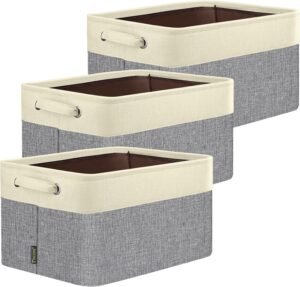
BALEINE 3 Pack Fabric Closet Storag…
Product description Efficient Home Storage Solutions – Organize Your Space with Ease Add to Cart Add…
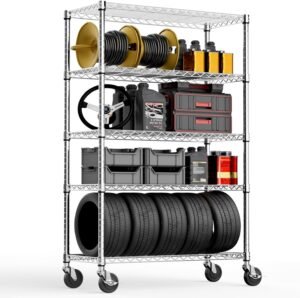
M MZG 5-Shelf Storage Shelves,Wire …
From the brand MZG Steel Storage Shelving 3 tier garment rack clothing rack for home MZG…
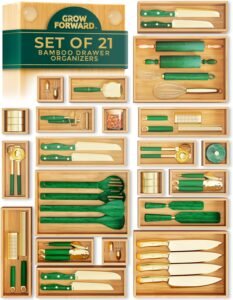
Grow Forward Bamboo Drawer Organize…
From the brand Eco Dinnerware for Adults Eco Dinnerware for Kids [ 21-Piece Set for Creative…