
15 Simple Home Organization Ideas That Make Everyday Life Easier
Small organization changes can cut daily friction and save time. This guide gives practical, low-cost ideas you can implement in weekend-sized chunks, with product and category suggestions to make execution fast.
Use these 15 ideas as a checklist: pick a zone, set a goal (reduce clutter, improve access, or speed cleanup), and apply 1–3 tips from the sections below. Repeat weekly and you’ll build momentum.
1. Start by decluttering with clear zones
Before adding containers, decide what stays. Create three boxes: keep, donate/sell, trash. Work one zone at a time — entryway, kitchen, then bedroom — so decisions stay manageable. Label bins or boxes while sorting to avoid second-guessing.
2. Use vertical space: shelves and racks
If floor space is tight, go up. Wall shelves, over-the-door racks, and tall shelving units keep items visible and off counters. Choose adjustable shelving so you can change heights as needs evolve. For durable, adjustable options, consider a sturdy shelving solution like Shelving & Storage Racks to hold bins, baskets, and seasonal gear.
3. Make drawers work harder with organizers
Drawer chaos makes finding small items slow. Use trays and modular dividers to create dedicated compartments for utensils, chargers, cosmetics, or socks. Wooden and bamboo sets add stability and look tidy. A ready-to-use set like the Grow Forward Bamboo Drawer Organizer provides multiple sizes so everything has a place.
4. Group like with bins and baskets
Bins make groups portable — grab the whole bin and go. Use clear plastic bins where visibility matters and woven baskets for living areas. Label each bin (or add a photo label for kids) so everyone knows what belongs. Stock up on a few sizes from the Storage Bins & Baskets category to match shelves and closets.
5. Under-bed storage for seasonal rotation
Clean out a little space under the bed for bedding, off-season clothes, or keepsakes. Choose low-profile, zippered containers or rolling drawers that slide easily. Keep a labeled inventory so you’re not digging. If you need options that fit different bed frames, check Under Bed Storage for sizes and styles that work beneath low or high beds.
6. Entryway and shoe zones that reduce morning friction
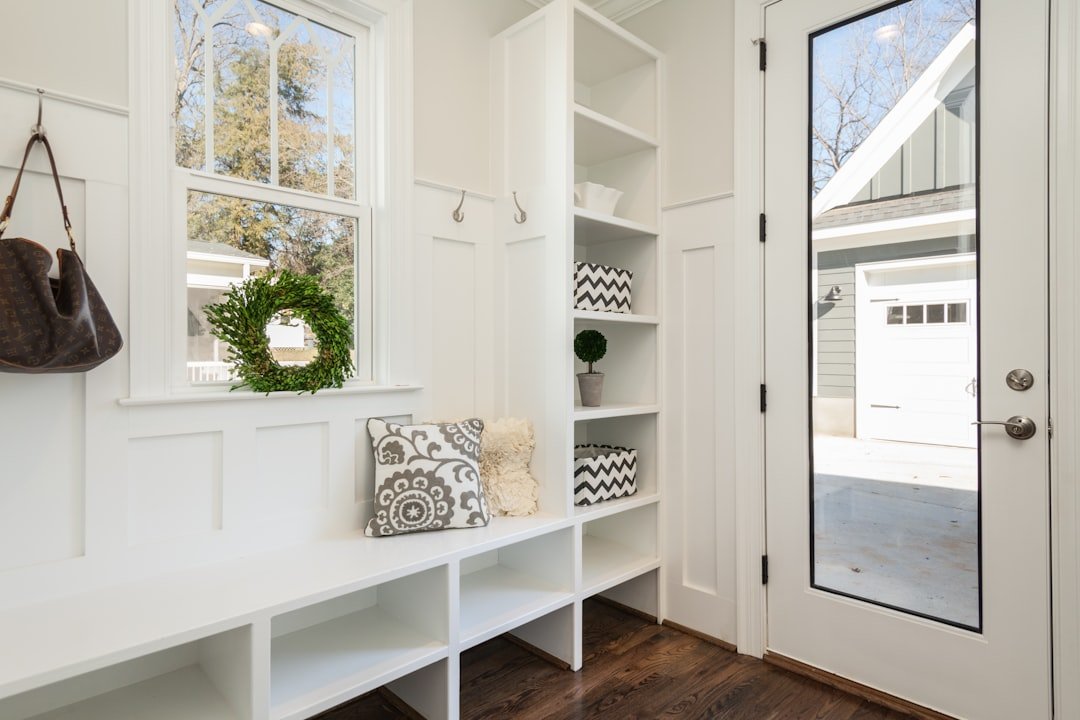
Create a quick-drop zone by the door: a tray for keys, a hook or locker for jackets, and a bench with shoe storage. For families, assign cubbies or baskets for each person so everyone can grab what they need quickly. If shoes are the main culprit, find stackable or cubby solutions in the Shoe Storage & Organizers selection to keep pairs neat and accessible.
7. Simplify laundry with sorting and clear containers
Reduce trips and mix-ups by placing sorting hampers in bedrooms or a central closet. Pre-treat station with a small caddy for stain remover and brushes speeds up laundry day. Use airtight or labeled containers for detergents and pods to reduce spills and keep the area tidy. A compact option like the HomePekite Laundry Pods Storage Container keeps pods visible and fresh while preventing mess.
8. Keep desks functional: limit surface clutter
A productive desk needs a home for papers and tools. Implement a two-inbox system: “Action” and “Archive.” Use vertical paper trays and a pen caddy to keep essentials reachable. Cable tidy solutions prevent tangles under the desk. For desktop tools and tidy storage, explore Desk & Office Organizers that help maintain a clean workspace.
9. Closet shelves: uniform storage for a cleaner look
Matching bins or fabric boxes on closet shelves visually reduce clutter and make it easier to grab a single item. Use clear labels on fronts or sides for quick identification. Fabric bins with handles are great for deep shelves and make seasonal swaps simple. A good starter is a pack like the BALEINE 3 Pack Fabric Closet Storage Bins that fits standard shelves and keeps folded items neat.
10. Use zones in the kitchen for faster prep
Designate zones: prep, cooking, cleaning, and storage. Keep frequently used utensils in a drawer near the stove and small appliances on lower shelves or appliance garages to free countertop space. Magnetic strips for knives and hooks for measuring cups make tools visible and quick to reach. Reserve one drawer as “everyday” for the items you need daily.
11. Corral cables, chargers, and small tech
Label chargers and store extras in a clearly marked drawer or a small hanging organizer. Use a single charging station for phones and tablets to reduce countertop clutter. Small zip pouches or divided bins inside a drawer keep cords untangled and identifiable by device.
12. Create a family command center
Mount a calendar, a mail sorter, and a set of hooks in a central spot. Keep a small basket for outgoing mail and a tray for backpacks and lunchboxes. A weekly planner panel near the entrance reduces last-minute scrambles and clarifies responsibilities at a glance.
13. Rotate toys and hobbies
Limit toy clutter and keep interest high by rotating bins of toys or craft supplies. Store the rotation in labeled bins on high shelves or under beds, and swap every few weeks. For hobbyists, dedicate a shelf or a box for ongoing projects so tools aren’t scattered through the house.
14. Make nightly 10-minute resets a habit
Before bed, do a quick sweep: put dishes away, clear surfaces, and return stray items to their home. A short, consistent reset reduces build-up and makes mornings easier. Use a 10-minute timer and make it a family routine to keep the home organized with minimal effort.
15. Evaluate once a season
Every three months, revisit key zones and purge what you haven’t used. Seasonal reviews prevent accumulation and let you adjust systems as family needs change. Keep a running list of supplies you need so small purchases support your organization system rather than creating clutter.
Quick checklist
- Declutter one zone this weekend (keep/donate/trash).
- Add a shelf or tall rack where floor space is limited.
- Install drawer organizers for small items.
- Use matching bins on closet shelves with labels.
- Set up an entryway drop zone and shoe storage.
- Create a laundry station with clear containers for supplies.
- Do a 10-minute nightly reset every day.
FAQ
- Q: Where should I start if the whole house feels overwhelmed?
A: Pick a high-impact zone (entryway or kitchen) and spend one focused weekend. Clearing a visible area motivates more work.
- Q: How do I keep systems working with kids?
A: Use labeled, reachable storage and make clean-up a brief daily routine with clear expectations — short tasks work best for kids.
- Q: Which storage is best for small apartments?
A: Vertical shelving, under-bed storage, and multi-use furniture (benches with storage) maximize footprint without crowding.
- Q: How often should I reassess my organization?
A: Do mini-checks monthly and a full seasonal review every three months to remove items and refresh systems.
- Q: Can I organize without spending much?
A: Yes — start with decluttering and repurposing boxes. Then prioritize a few durable organizers where they’ll make the biggest difference.
Practical takeaway: focus on one zone, give everything a clear home, and add one organizer type that directly solves your biggest daily pain point. Small, consistent steps beat one big overhaul — and they stick.
Products Featured in This Article
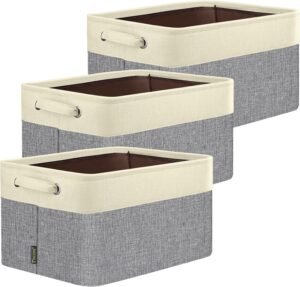
BALEINE 3 Pack Fabric Closet Storag…
Product description Efficient Home Storage Solutions – Organize Your Space with Ease Add to Cart Add…
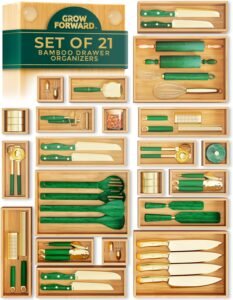
Grow Forward Bamboo Drawer Organize…
From the brand Eco Dinnerware for Adults Eco Dinnerware for Kids [ 21-Piece Set for Creative…
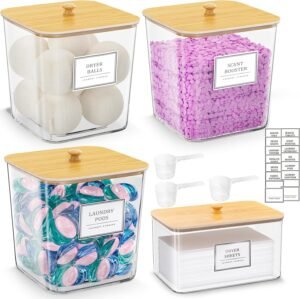
HomePekite Laundry Pods Storage Con…
From the brand HomePekite Storage & Display HomePekite Storage & Display 【Laundry Pods and Dryer Sheets…