
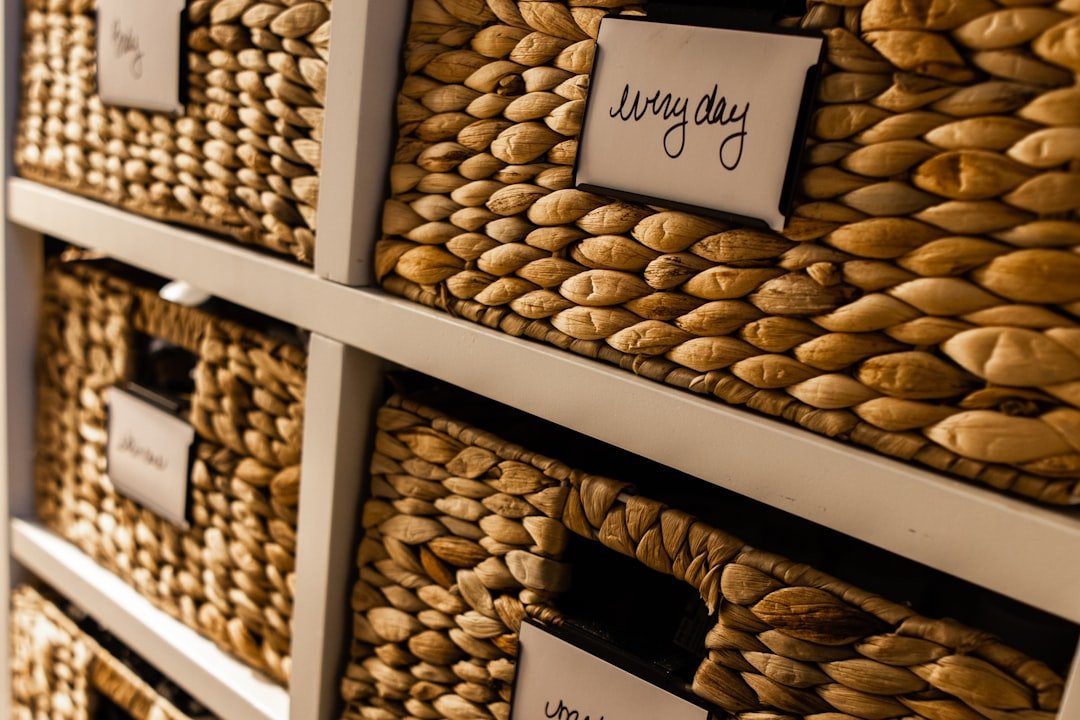
Living in a small home doesn’t mean living with constant clutter. With focused decisions, the right storage choices, and a maintenance routine that fits your life, you can make every square foot work without the space feeling boxed in.
This guide offers practical steps and product-focused suggestions to help you pare down, store smart, and keep surfaces calm—so your home feels larger and more functional, not crowded.
Start with a plan—and purge ruthlessly
Before buying storage, map the problem areas: closets, entryway, under beds, and kitchen counters. Sort items into four piles—keep, relocate, donate/sell, recycle/trash—and make quick decisions. When you’ve pared down, use targeted containers for what remains; for example, fabric closet storage bins are great for seasonal clothes, linens, or bulky accessories that would otherwise spill off shelves.
Use vertical space and go up
Small footprints demand tall solutions. Install wall-mounted shelving, stackable units, or narrow tall bookcases to take advantage of vertical real estate—this clears floor area and makes rooms feel airier. A modular system or shelving & storage racks can be customized to fit closets, kitchens, and laundry zones while keeping items visible and accessible.
Contain by function: baskets, boxes, and zones
Create micro-zones for activities—drop zone for keys and mail, reading nook with blankets, a defined prep area in the kitchen. Use open baskets and clear boxes to keep each zone tidy and consistent. Choosing uniform storage bins & baskets in similar tones reduces visual noise and makes stacked storage look intentional rather than messy.
Maximize hidden storage: under-bed and behind doors
Hidden storage is essential in small homes. Use flat containers to slide under beds and beds with built-in drawers to reclaim unused space. For seasonal items and bulky bedding, under-bed storage keeps things out of sight but within reach—an important technique for maintaining a clean aesthetic without sacrificing accessibility.
Tame small items with smart organizers
Clutter often starts with small things—charging cords, cosmetics, kitchen gadgets. Keep these contained with drawer systems, trays, and dividers so every small item has a place. Investing in a set of drawer organizers helps you categorize and prevents the “everything-in-one-drawer” tumble that makes spaces feel chaotic.
Tackle laundry without chaos
Laundry can monopolize limited space if not managed. Use wall or door-mounted hampers, fold-and-sort stations, and a compact drying rack that stows away when not in use. A slim, organized system for dirty and clean laundry—paired with a small schedule like “two loads twice a week”—keeps piles from overtaking surfaces and closets. Check compact solutions in the laundry storage & organizers category to fit narrow spaces.
Entryway and shoe solutions for small footprints
The entry is where clutter accumulates fast: shoes, bags, mail. Keep that area minimal with a slim bench that hides a storage compartment, wall hooks for bags, and a narrow shoe unit. Use dedicated shoe storage & organizers to keep pairs together and prevent shoes from spreading into living areas.
Design dual-purpose zones and clear surfaces
Choose furniture that pulls double duty—storage ottomans, coffee tables with drawers, beds with built-in storage—so you gain function without extra pieces. Keep horizontal surfaces clean by limiting what you allow to live on them: one tray for essentials and active décor only. If you have a home office or regular desk work, incorporate tailored solutions from desk & office organizers to keep papers and tools out of sight when not in use.
Maintenance habits that keep small spaces serene
Daily habits matter more than perfect systems. Spend 10 minutes each evening returning items to their homes, do a quick surface wipe, and apply a weekly mini-declutter—one shelf, one drawer. Use a “one-in, one-out” rule for nonessentials and schedule seasonal reviews to stop accumulation before it starts.
Quick checklist
- Sort into keep/relocate/donate/trash before buying storage.
- Use tall shelving to free floor space.
- Choose matching bins for visual cohesion.
- Slide flat boxes under beds for bulky or seasonal items.
- Use drawer dividers for small items and cables.
- Set a simple laundry rhythm to avoid buildup.
- Create an entry drop zone with hooks and a slim shoe organizer.
- Clear surfaces nightly—10 minutes to reset the room.
FAQ
- How do I start if I feel overwhelmed? Pick one small area—like a single shelf or drawer—and spend 20–30 minutes sorting. Success builds momentum.
- What storage should I buy first? Buy organizers that solve your biggest visible problem: if closets overflow, invest in fabric closet storage bins or a tall shelving unit.
- How can I make a small room feel less cluttered visually? Reduce visual variety—limit color and pattern in storage, keep large surfaces clear, and use vertical lines to draw the eye up.
- Where should I store items I use rarely? Put them in labeled boxes on high shelves or under-bed containers so they’re accessible but out of sight, like items in under-bed storage.
- Any tips for managing kids’ toys in a small space? Rotate toys: keep a small active set accessible and store the rest in clear bins or baskets. Use low shelves and labeled bins for easy pickup.
Conclusion
Organizing a small home is about choices: keep what serves you, store what you use, and hide what you don’t. Use vertical storage, consistent containers, and daily reset habits to maintain a calm, functional space. Start small, pick one improvement to implement this week, and build from there.
Products Featured in This Article
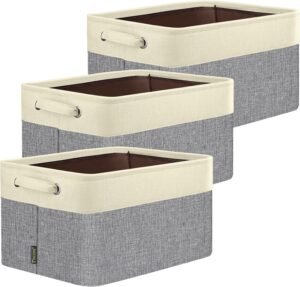
BALEINE 3 Pack Fabric Closet Storag…
Product description Efficient Home Storage Solutions – Organize Your Space with Ease Add to Cart Add…