
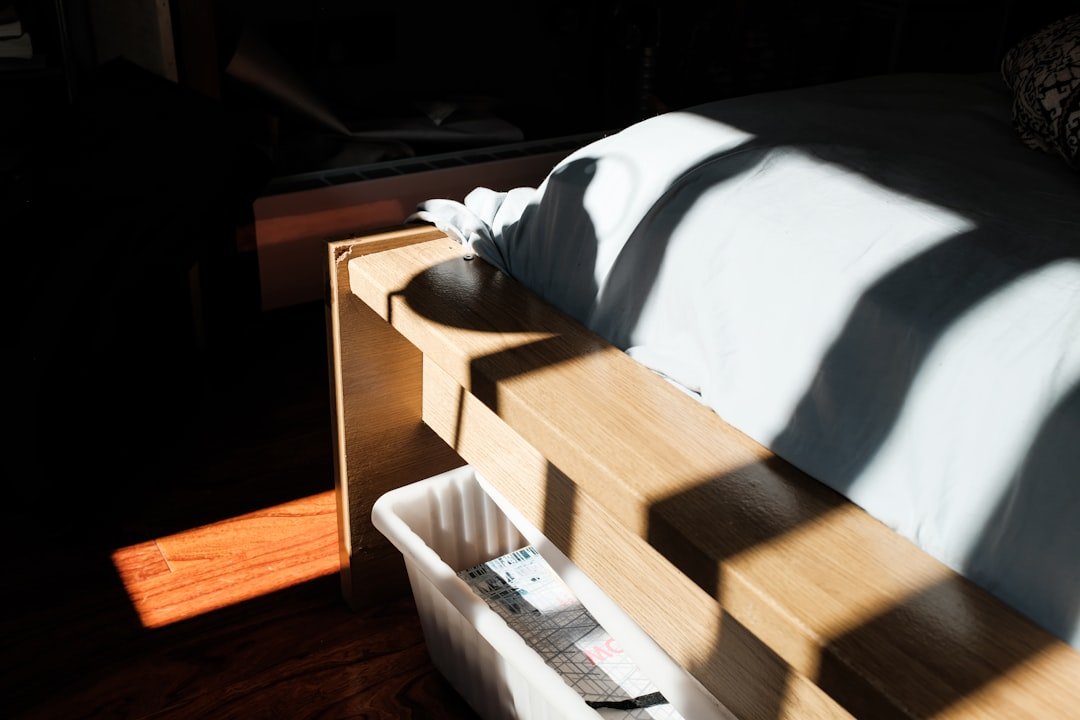
Smart Ways to Use Under-Bed Storage Without Creating More Clutter
Under-bed space is one of the easiest places to gain usable storage in any home, but it’s also one of the easiest places to create forgotten clutter. The right approach turns that gap into a functional, low-visibility storage zone rather than a dust-covered junk drawer.
These strategies focus on planning, containment, rotation, and accessibility so your under-bed storage actually reduces clutter instead of adding to it. If you’re shopping for solutions, start by browsing targeted options like Under Bed Storage to see what styles and sizes work with your bed frame.
1. Measure, plan, and prioritize
Before buying bins or sliding drawers, measure both the clearance under your bed and the available length/depth. Account for any baseboards, bed skirting, or storage rails. Plan what you’ll store: seasonal clothing, extra linens, shoes, or rarely used gear. Prioritize items that benefit from being out of the way but still need occasional access.
2. Choose the right containers for visibility and protection
Opaque piles under a bed become forgotten piles. Use containers that protect from dust but make contents visible or identifiable at a glance. Low-profile plastic under-bed drawers work well; so do breathable fabric bins that slide easily. For a reliable selection of container styles, check Storage Bins & Baskets.
3. Think modular and vertical where possible
If your room allows, pair under-bed bins with small freestanding racks or modular systems that let you stack or separate items without crushing them. Metal or adjustable racks can elevate boxes for airflow and easier access. A sturdy option to consider for multi-level organization is the Sakugi 5-Tier Storage Rack Organizer, which can be adapted to nearby corners or closets to reduce the number of items pushed under the bed in the first place.
4. Divide and label for quick retrieval
Small items spread across a large under-bed area become an avalanche when you need something. Use drawer inserts, small bins, or divider trays inside larger containers so each category has its own place (socks, seasonal accessories, spare cables). For tidy compartments that look good and stay organized, try solutions like Grow Forward Bamboo Drawer Organizer sets for small items you might slide into a shallow under-bed drawer.
5. Store seasonal and bulk items strategically
Seasonal clothes, extra comforters, or bulk supplies belong under the bed only if you can access and rotate them. Keep highly seasonal items at the very back or in clearly labeled, stackable bins so you can swap them at season change instead of rifling through everything. If you need specialized containers for linens or laundry-adjacent items, explore options in Laundry Storage & Organizers to pair with your under-bed system.
6. Keep frequently used items within reach
Don’t put everyday items where you have to crawl under the bed. Reserve under-bed space for things you’ll access monthly or less. For items used only while traveling—packing cubes, travel accessories, or spare chargers—use dedicated travel organizers so everything stays compact and ready. A compact option like BAGSMART Compression Packing Cubes compress gear and make it easy to slide travel kits under the bed without messy loose items.
7. Avoid the “dump and forget” habit
The fastest route to under-bed clutter is dumping without sorting. Create a three-step routine: decide (keep/store/dispose), contain (place in labeled bin), and record (note location on a simple index). Use attractive fabric bins so the stored items look intentional rather than hidden trash. For high-quality, shelf-friendly fabric bins, consider the example pack BALEINE 3 Pack Fabric Closet Storage Bins.
8. Make under-bed storage work for shoes and gear
Shoes and occasional gear are natural candidates for under-bed space when stored in trays or low bins that preserve shape and reduce dust. Choose shoe-specific organizers or shallow drawers so pairs remain visible and easy to pull out without disturbing other boxes. Browse styles and sizes appropriate for footwear in Shoe Storage & Organizers.
Checklist: How to set up under-bed storage that stays tidy
- Measure clearance and available area before buying containers.
- Decide what category each bin will hold and label clearly.
- Use shallow, breathable containers for clothing and sealed ones for linens.
- Keep everyday items out of under-bed storage—reserve it for occasional use.
- Rotate seasonals at set changeovers; mark dates on bins if needed.
- Inspect and purge every 3–6 months to prevent buildup.
FAQ
- How high should under-bed containers be? Measure the clearance from floor to bed base; choose containers at least 1–2 inches shorter than that height so they slide easily.
- Are fabric bins or plastic bins better? Fabric bins breathe and look neater for clothing; plastic protects from dust and pests better for linens and archived items. Use both strategically.
- How often should I check under-bed storage? Every 3–6 months for seasonal rotations, or sooner if you store items that can attract pests or moisture.
- Can I store bulky items like suitcases under the bed? Only if your bed clearance and container size accommodate them; frequently it’s better to store luggage upright in a closet. For compact packing solutions, consider compression cubes.
- What if my room is prone to moisture? Use moisture-resistant containers and add silica gel packets inside bins. Elevate boxes slightly off the floor with a slim platform or risers if possible.
Conclusion
Under-bed storage can be a functional extension of your closet if you measure first, contain items purposefully, label clearly, and maintain the space on a simple schedule. Start small—one category of items in well-labeled bins—and expand only after the system proves useful. With a little planning, the space under your bed becomes an organized asset rather than a clutter magnet.
Products Featured in This Article
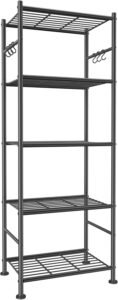
Sakugi 5-Tier Storage Rack Organize…
Product description Effortless Cleaning The rust-proof and water-resistant material makes maintenance easy—keep it spotless with just…
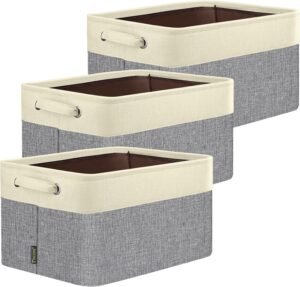
BALEINE 3 Pack Fabric Closet Storag…
Product description Efficient Home Storage Solutions – Organize Your Space with Ease Add to Cart Add…
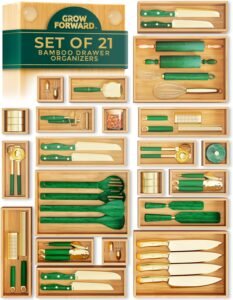
Grow Forward Bamboo Drawer Organize…
From the brand Eco Dinnerware for Adults Eco Dinnerware for Kids [ 21-Piece Set for Creative…
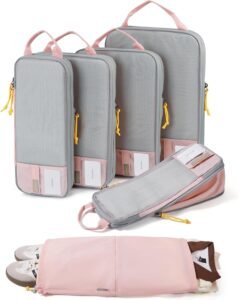
BAGSMART Compression Packing Cubes …
BAGSMART 6 Set/4 Set/2 Set Compression Packing Cubes for Travel, Lightweight Vacation Travel Essentials, Travel Accessories…