
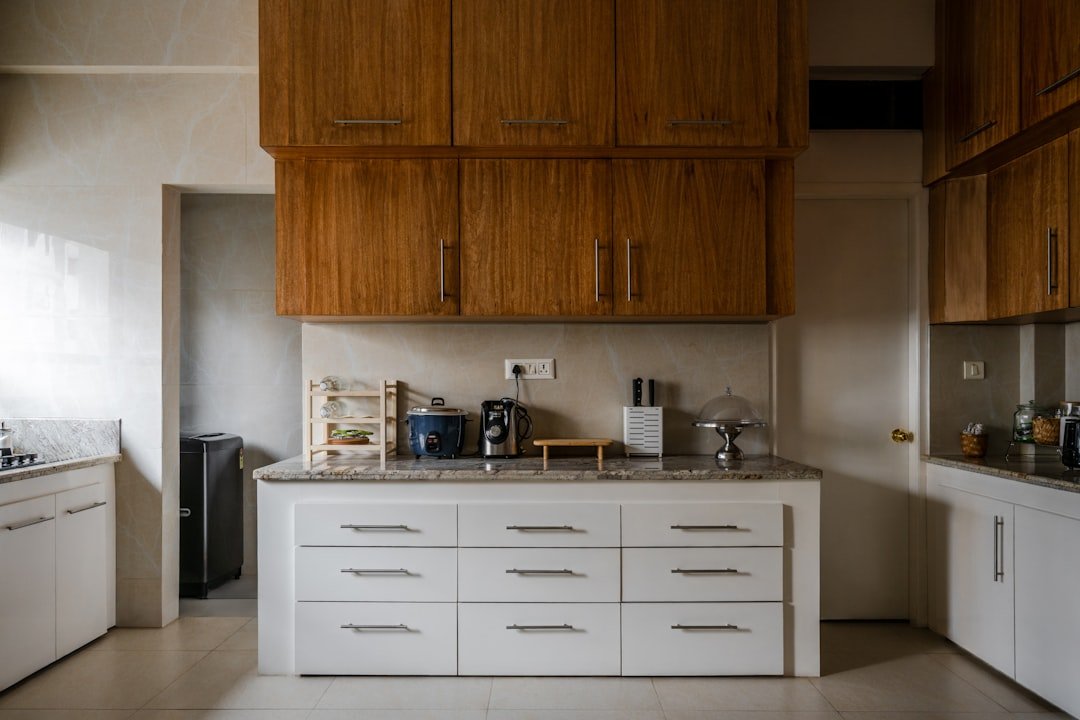
A well-organized set of kitchen cabinets saves time, reduces stress, and makes cooking feel effortless. Whether you have a small apartment kitchen or a full-service family kitchen, a few deliberate changes can transform cluttered cabinets into a system that supports everyday cooking.
This guide walks you through practical, budget-friendly strategies you can implement in a weekend. Each tip focuses on clear outcomes: faster meal prep, easier cleanup, and fewer moments spent hunting for that one lid or spice jar.
1. Start by decluttering and assessing use
Empty one cabinet at a time and sort items into four piles: keep, relocate, donate, toss. As you work, note frequency of use—daily, weekly, monthly, seasonal. Keep daily-use items at eye level or the most accessible cabinets, and move rarely used cookware to higher shelves or storage racks.
2. Zone your cabinets by task
Create kitchen zones that match how you cook: prep, cooking, baking, plating, and storage. Stash cutting boards, knives, and mixing bowls near the prep zone; pots, pans, and oils by the stove; baking trays and measuring tools where you bake. Grouping by task reduces steps during a recipe and keeps counters clearer.
3. Maximize drawer space with inserts
Drawers become far more useful when you divide them. Use utensil trays for tools, shallow dividers for measuring spoons, and deeper compartments for small gadgets. Investing in purpose-built organizers keeps everything visible and prevents jumbled drawers.
Drawer Organizers are a simple first purchase that immediately improves functionality.
4. Choose durable, natural inserts for flatware and tools
Soft, non-slip materials and bamboo trays are ideal for kitchen drawers because they resist moisture and look tidy. Bamboo inserts are sturdy, resist warping, and give a clean, cohesive look that fits most cabinet interiors.
For a ready-made solution, consider the Grow Forward Bamboo Drawer Organizer, which comes in multiple sizes to fit different drawers and use cases.
5. Use bins and baskets to corral loose items
Open shelves and deep cabinets benefit from grouping similar items in baskets: snack packets, baking mixes, or small appliances. Bins allow you to slide an entire category out, inspect contents at a glance, and replace items without disrupting neighbors.
If you prefer soft-sided storage that fits shelves neatly, check out BALEINE fabric storage bins—they’re breathable, collapsible, and easy to label.
6. Add modular shelves and racks to unlock vertical space
Many cabinets have unused vertical space between stacked plates or above small appliances. Add a riser or a shelf to double usable surfaces, and use hooks on the inside of cabinet doors for measuring cups, oven mitts, or pot lids.
For larger needs, explore adjustable options like the Shelving & Storage Racks that can be customized to pantry or closet dimensions.
7. Install heavy-duty shelving for the pantry or bulk storage
If you stock staples in bulk or keep larger appliances in cabinets, heavy-duty wire or metal shelving prevents sagging and provides adjustable spacing for tall containers. It’s also easier to clean and ventilates stored goods.
The M MZG 5-Shelf Storage Shelves are a rugged option for a pantry corner or utility area and can hold canned goods, mixers, and small appliances reliably.
8. Keep prep tools and frequently used gadgets within reach
Dedicate a lower cabinet or an easy-access drawer close to the prep zone for items you reach for daily: peelers, measuring cups, handheld mixers, and small choppers. Using a designated “daily” drawer reduces the friction of cooking and keeps counters uncluttered.
Also consider compact, multifunctional tools that save space—browse Viral Kitchen Gadgets for small, time-saving items that often fit neatly into organized drawers or bins.
9. Dedicated storage for cutting boards and lids
Cutting boards can be stored vertically in a narrow cabinet or in a slotted organizer so they’re easy to grab and dry completely. Keep pot lids upright on a shallow rack or in a vertical divider so you can match lids to pans quickly.
A compact set like the SMIRLY cutting board set with its holder is a good example of combining storage and function—boards that nest and stow cleanly save cabinet space.
Maintenance habits that keep cabinets functional
Spend 10 minutes each week returning items to their zones, wiping out crumbs, and checking expiration dates. Reassess your layout every few months—cooking habits change seasonally, and so should your cabinet layout.
- Empty one cabinet at a time when reorganizing.
- Keep frequently used items within one or two steps of where you use them.
- Use uniform bins or labels to maintain order.
- Store heavy items low and fragile items higher.
- Rotate pantry goods using FIFO (first in, first out).
Checklist: Quick weekend cabinet overhaul
- Remove everything from one cabinet and sort items.
- Group by task: prep, cook, bake, serve, store.
- Install a drawer organizer or bamboo insert for utensils.
- Add a shelf riser or small bin to maximize vertical space.
- Label bins and list items you need to replace.
- Return items in their new zones and perform a quick sweep weekly.
FAQ
- How often should I reorganize my cabinets?
Do a light tidy weekly and a full reassessment every 3–6 months or when your cooking patterns change.
- What’s the best way to store lids?
Store lids vertically in a divider or on the inside of a cabinet door to match them quickly with pots and pans.
- Are baskets better than plastic bins?
Fabric or woven baskets are breathable and attractive on open shelves; plastic bins are easier to clean for pantry goods prone to spills. Use both where they fit best.
- How do I keep small gadgets from getting lost?
Use shallow trays or drawer organizers to give each gadget a dedicated spot; label the drawer if needed.
- Can shelving racks be used inside cabinets?
Yes—thin, adjustable racks or risers fit inside cabinets and effectively double storage levels, especially for dishes and canned goods.
Practical takeaway: focus first on zones and frequency—store what you use most closest to where you use it, then add targeted organizers (drawers, bamboo inserts, bins, shelves) to make those zones work. A short weekend of effort will pay back hours in easier, calmer cooking every week.
Products Featured in This Article
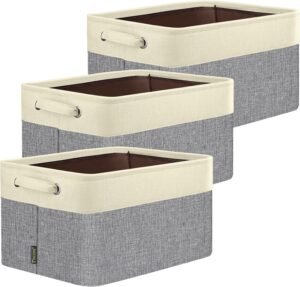
BALEINE 3 Pack Fabric Closet Storag…
Product description Efficient Home Storage Solutions – Organize Your Space with Ease Add to Cart Add…
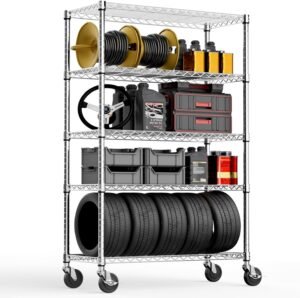
M MZG 5-Shelf Storage Shelves,Wire …
From the brand MZG Steel Storage Shelving 3 tier garment rack clothing rack for home MZG…
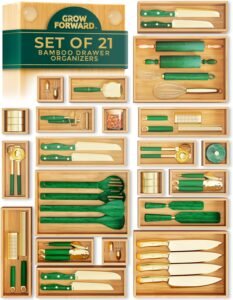
Grow Forward Bamboo Drawer Organize…
From the brand Eco Dinnerware for Adults Eco Dinnerware for Kids [ 21-Piece Set for Creative…
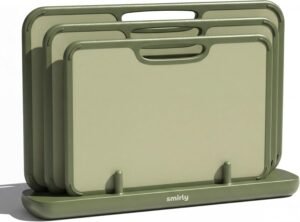
SMIRLY Plastic Cutting Board Set wi…
From the brand Shop Kitchen Tools Shop Cheeseboards Shop Cutting Boards Cooler Bags and Utensil Set…