
How to Create More Storage Space in a Small Kitchen
Small kitchens require smart thinking more than square footage. With intentional edits, better use of vertical space, and a few well-chosen organizers, you can make a cramped kitchen feel roomy and functionally larger.
This guide walks you through practical, budget-friendly tactics you can apply today — from decluttering to choosing the right racks, bins, and gadgets that actually free up counter and cabinet space.
1. Start with a ruthless declutter
Before buying anything, audit every drawer, cabinet, and shelf. Group similar items (bakeware, appliances, utensils) and ask two questions for each item: “Do I use this regularly?” and “Does this replace another item?” If not, donate or store it elsewhere. For items you want to keep but don’t need daily, tuck them into stackable containers from a reliable category like Storage Bins & Baskets to keep them grouped and easy to rotate.
2. Think vertical: shelving and racks
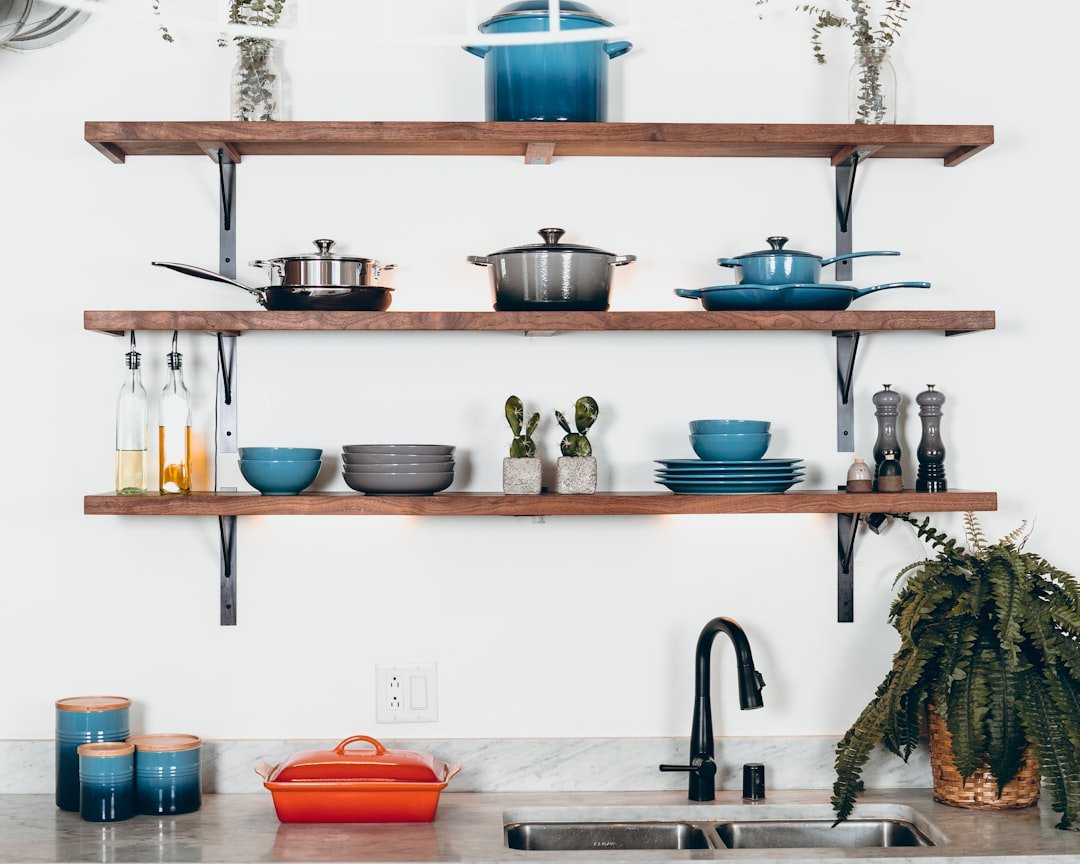
Small footprints mean you should build up. Add open shelving, tall narrow racks, or a wall-mounted rail above the counter to move clutter off surfaces. Look for flexible solutions that fit awkward heights — the Shelving & Storage Racks category has adjustable and slim profiles designed for tight kitchens.
3. Reconfigure drawers for function
Drawers are wasted space if utensils, lids, and gadgets are piled together. Use dedicated trays that separate cutlery, cooking tools, and small gadgets so everything has a place and you can use the drawer’s full depth. For a natural, durable option, consider a dedicated set like the Grow Forward Bamboo Drawer Organizer set — they’re slim, stackable, and help you reclaim junk-drawer real estate.
4. Use bins and baskets to create order on shelves
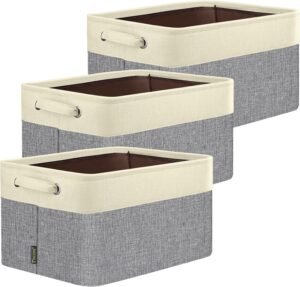
Open shelves and pantry cubbies become usable when items are corralled in uniform bins. Bins make reaching and rotating stock simple, hide unsightly packaging, and let you stack vertically without toppling. For a soft, attractive option that works on open shelving, try the BALEINE fabric storage bins — they’re sized for shelves and make grab-and-go storage effortless.
5. Build a functional pantry with shelving units
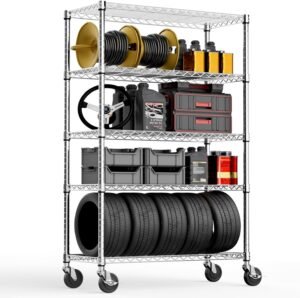
If you lack a walk-in pantry, a slim freestanding shelving unit can serve as one and free up cabinets. Choose units with adjustable shelves to fit tall cereal boxes, small appliances, and stackable containers. Heavy-duty wire or metal shelving like the M MZG 5-Shelf Storage unit adapts well in a narrow closet or unused corner and holds appliances without sagging.
6. Use door, wall, and freestanding racks for hidden storage
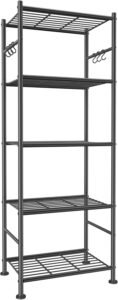
Don’t ignore the backs of doors, inside cabinet doors, and narrow wall strips. Hooks, slim racks, or tiered freestanding systems can store pans, cutting boards, cleaning supplies, and even spices. For a robust freestanding option that also offers hooks for utensils and towels, consider a unit such as the Sakugi 5-Tier Storage Rack Organizer, which fits in tight spaces and provides vertical utility.
7. Adopt multipurpose and space-saving gadgets
Choose cookware and tools that do more than one job (think bowls that serve as prep and storage, collapsible strainers, nesting measuring cups). Small gadgets that collapse or stack will reduce the number of items you need to store. For clever, compact tools tailored for small kitchens, explore the Viral Kitchen Gadgets category — many items are designed specifically to save space and improve workflow.
8. Keep everyday items accessible; stash seasonal items elsewhere
Reserve prime, easy-to-reach spaces for what you use daily: coffee, plates, a few favorite pots. Seasonal or rarely used items should be moved to higher shelves, a basement, or a closet. Use drawer organizers and labeled bins to rotate seasonal sets without losing track of them. For a broader selection of drawer solutions that help prioritize daily items, check the Drawer Organizers category for trays and modular inserts.
Quick checklist: What to do this weekend
- Empty one cabinet and sort items into keep, donate, store.
- Install one vertical shelf or freestanding unit to free counter space.
- Place daily-use items within arm’s reach; relocate seasonal items.
- Corral small items with a set of uniform bins or baskets.
- Install a drawer organizer for utensils and frequently used tools.
- Swap any duplicate tools for one multipurpose version.
FAQ
Q: How do I decide between wall shelves and a freestanding rack?
A: Wall shelves are great when you can drill and want a clean, built-in look; freestanding racks are best when you need flexibility or rent and can’t make permanent changes.
Q: What’s the best way to store lids and baking sheets?
A: Use vertical dividers or a slot-style organizer to store lids and sheets on edge. That makes them easy to see and removes stacking inefficiency.
Q: Are fabric bins durable enough for the kitchen?
A: Yes — quality fabric bins handle pantry goods, linens, and light appliances. Use plastic or wire bins for heavy or spill-prone items.
Q: How often should I declutter kitchen items?
A: Every 3–6 months is a good rhythm. Reassess when seasons change or after holidays to remove duplicates or unused gadgets.
Q: Can I mix open shelving with closed cabinets?
A: Absolutely. Open shelves keep everyday items accessible and decorative; cabinets conceal clutter and store less-used items.
Conclusion
Creating more storage in a small kitchen is about intentional choices: edit what you don’t need, build upward, and use targeted organizers and bins. Start with a single cabinet and one new organizer this weekend — the cumulative impact will be more counter space, easier meal prep, and a kitchen that works for you.
Products Featured in This Article
Sakugi 5-Tier Storage Rack Organize…
Product description Effortless Cleaning The rust-proof and water-resistant material makes maintenance easy—keep it spotless with just…
BALEINE 3 Pack Fabric Closet Storag…
Product description Efficient Home Storage Solutions – Organize Your Space with Ease Add to Cart Add…
M MZG 5-Shelf Storage Shelves,Wire …
From the brand MZG Steel Storage Shelving 3 tier garment rack clothing rack for home MZG…
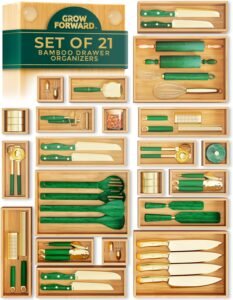
Grow Forward Bamboo Drawer Organize…
From the brand Eco Dinnerware for Adults Eco Dinnerware for Kids [ 21-Piece Set for Creative…