
Intro
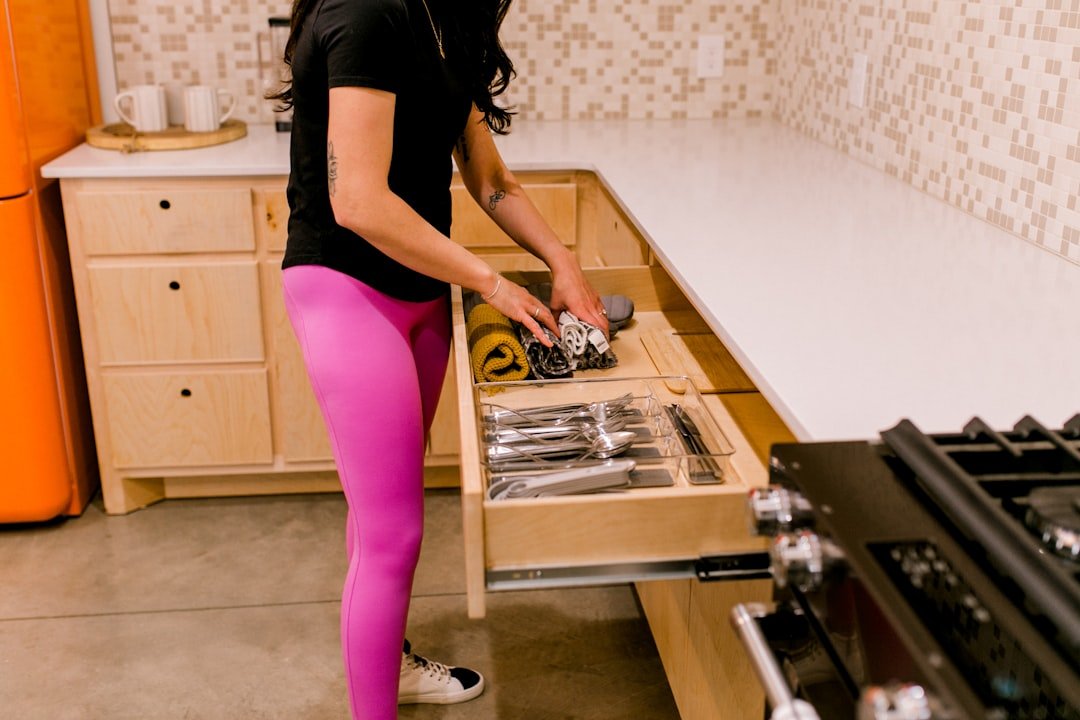
Drawers are where small daily-life decisions live — keys, socks, receipts, and the small tools that help your day run. Organized drawers save time, reduce stress, and make your home feel cared for without a major renovation.
This guide walks you through a simple, repeatable process for every drawer in your home, with product ideas and layout tips you can implement in an afternoon. No perfection required — just practical steps you can maintain.
Start with a Plan: Goals, Frequency, and Tools
Before opening a drawer, set a clear goal: do you want visibility (see everything at a glance), containment (stop spills and piles), or function (easy access to the items you use most)? Decide how often you’ll revisit the drawer — weekly, monthly, or seasonally — and gather basics: trash bag, box for donations, microfiber cloth, labels, and a measuring tape.
If you prefer solutions pre-selected for specific needs, consider browsing a category of targeted organizers to match the drawer type — from small trays to adjustable inserts — to speed decision-making: Drawer Organizers.
Empty, Sort, and Purge
Work one drawer at a time. Empty it completely and lay contents on a clean surface. Group like with like (tools, stationery, cosmetics, cables), then make three quick piles: keep, relocate, discard/donate. Be decisive: if you haven’t used something in a year and it’s not seasonal or sentimental, move it out.
Wipe the interior and check for repairs — sticky glides, loose screws, or damage that affects function. Fixing a drawer glide or tightening a screw can make organization last longer.
Kitchen Drawers: Zones and Trays
Kitchen drawers benefit most from consistent zones: utensils, prep tools, wraps, and small gadgets. Use shallow trays for utensils and deeper bins for larger tools. For a ready-made solution crafted for multiple kitchen uses, a set of wooden trays gives a clean, durable finish and keeps small items separated: Grow Forward Bamboo Drawer Organizer set.
Place the most-used tools in the front-most section and less-frequent items toward the back. Label the underside of the drawer or the tray partitions if multiple people use the kitchen to avoid mix-ups.
Bathroom & Vanity Drawers: Categories and Care
Bathroom drawers can quickly become cluttered with cosmetics, grooming tools, and stray hair ties. Sort items into daily, weekly, and occasional use piles. For waterproof, easy-to-clean compartments and modular inserts tailored to small spaces, explore specific organizer options to fit your layout: Drawer Organizers.
Keep a clear container for hygiene items and a small tray for jewelry. Replace cotton swabs and disposables into labeled containers so refills are obvious at a glance.
Home Office & Desk Drawers: Accessibility and Workflows
Design desk drawers around your workflow. Keep frequently used items (pens, sticky notes, phone chargers) in the top shallow drawer and reference materials in deeper drawers. For tidy pen, paper, and accessory storage, choose organizers that create compartments sized to your tools: Desk & Office Organizers.
Consider a charging station inside a drawer for devices you want out of sight but always ready. Use cable clips and label cords at both ends if multiple devices share a drawer.
Junk Drawers & Utility Spaces: Smart Containment
“Junk” drawers benefit from strict containment: defined small containers for batteries, tape, scissors, and odd screws. Convert the drawer into a set of mini-zones so everything has a home. Lightweight, open-top holders or pen cups are great for visibility; a simple metal pen holder works well for tools and smaller items: Amazon Basics Mesh Pen Holder is an example of a tidy, affordable caddy you can repurpose inside a drawer.
Make a habit: set a weekly five-minute “reset” to return stray items to their bins or relocate them to their real home.
Bedroom & Closet Drawers: Fold, Stack, and Separate
For clothing drawers, use consistent folding (KonMari or simple thirds) and separate categories — socks, underwear, tees, and sleepwear. Use bins and baskets to keep items from collapsing into one another: Storage Bins & Baskets provide options in fabric and sizes to fit dresser depths and shelves.
Label the bins or the inside-front of drawers so everyone in the household knows where items belong. Rotate seasonal clothing to under-bed storage when needed to free drawer space.
Entryway, Shoe Drawers & Under-Bed Storage
Entryway drawers (or small hall closets) should be optimized for quick-grab items: gloves, masks, pet leashes, and keys. If you need shoe-specific solutions, choose organizers that make entryway storage neat and accessible: Shoe Storage & Organizers.
Under-bed drawers are ideal for off-season clothes, spare linens, or bulk items. For low-profile storage designed to slide under a bed and protect items from dust, look into categories of flat storage made for this purpose: Under Bed Storage. Use clear labels and vacuum bags for bulky bedding to maximize space.
Storage Racks & Garage Drawers: Heavy-Duty Solutions
For deep drawers, utility cabinets, or garage storage adjacent to drawers, add sturdy shelving or racks to separate overflow and large items. Open metal shelving and adjustable racks keep boxes and bins off the floor and can be used alongside drawer systems to expand storage capacity: Shelving & Storage Racks.
Anchor tall racks and keep heavier items on lower shelves for safety. Use labeled bins to transfer items between a shelf and drawer for seasonal rotation.
Quick Checklist
- Empty one drawer at a time and sort into keep/relocate/discard
- Measure drawer interior before buying organizers
- Assign zones: daily/weekly/occasional use
- Contain small items in trays, cups, or bins
- Label visibly and maintain a weekly 5-minute reset
FAQ
Q: How often should I reorganize my drawers?
A: A quick monthly check and a seasonal deep clean (every 3–6 months) usually keep drawers functional.
Q: What’s the best way to measure for organizers?
A: Measure internal length, width, and depth. Note any obstacles (hinges, blockers) and choose inserts slightly smaller than interior measurements.
Q: How do I keep kids’ drawers organized?
A: Use clear bins with pictures or color-coded labels and keep frequently used toys or clothes at child-accessible heights. Rotate items to prevent overwhelm.
Q: Can I mix drawer organizers from different brands?
A: Yes. Mix-and-match can be effective if size and purpose align. Prioritize fit and durability over matching aesthetics.
Q: How do I prevent drawers from becoming cluttered again?
A: Make returning items to their home a habit. A weekly five-minute tidy and visible labels dramatically reduce drift back into clutter.
Conclusion
Organizing every drawer is a sequence of simple choices: empty, sort, contain, and maintain. Use the right inserts and storage categories for the task at hand, and build a short routine to keep things working. Start with one drawer today — the small win will create momentum for the rest of your home.
Products Featured in This Article
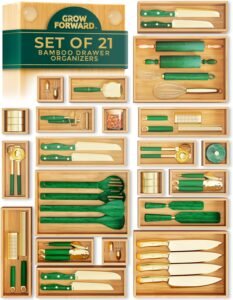
Grow Forward Bamboo Drawer Organize…
From the brand Eco Dinnerware for Adults Eco Dinnerware for Kids [ 21-Piece Set for Creative…
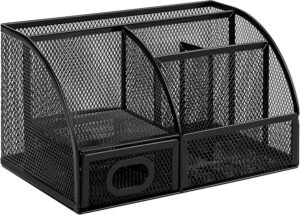
Amazon Basics Mesh Pen Holder and D…
Amazon Basics Mesh Pen Holder DESKTOP STORAGE SOLUTION: Pen holder and desk organizer for containing writing…