
How to Keep Food Storage Containers Organized and Easy to Find
Food storage containers are indispensable in a busy kitchen, but cluttered lids, mismatched sets, and hard-to-find containers turn meal prep into a scavenger hunt. With a few practical systems you can save time, reduce waste, and keep your pantry and cabinets functional.
This guide lays out clear, actionable steps to organize containers by size, function and frequency of use, plus product and storage ideas to make the system stick.
1. Start with a plan: survey, purge, and categorize
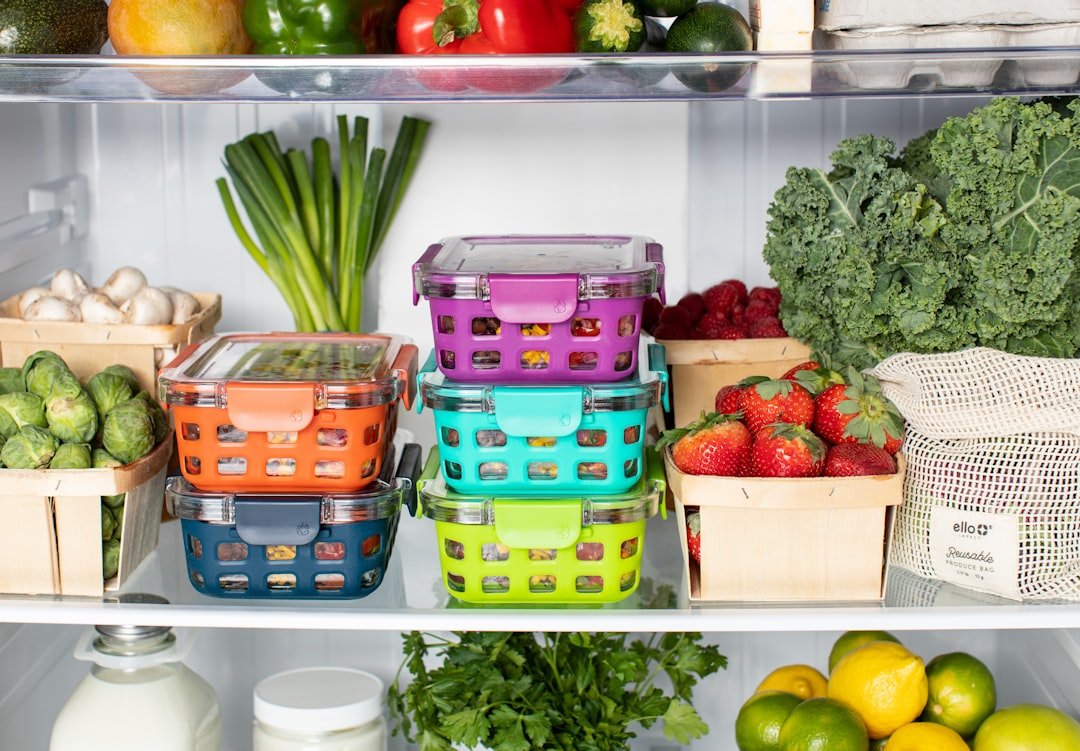
Begin by taking everything out of the storage cabinet, drawer or pantry shelf. Sort containers into keep, donate, and recycle piles. Group items by type: lids, rectangular containers, round containers, single-serve tubs, and glass vs. plastic.
Use this stage to identify gaps (missing lids, fragile glass) and to collect inspiration for better systems. For quick ideas and trending solutions, check Viral Home Organization Products.
2. Choose consistent sizes and nesting strategies
Adopt a “one-size family” approach: keep a set of commonly used sizes and donate extras. Stackable, same-shape containers nest efficiently and reduce the number of loose lids.
Store rarely used or seasonal containers in clear bins so they don’t mix with everyday pieces. If you’re collecting stackable options or need bins to corral odd-sized items, explore Storage Bins & Baskets.
3. Optimize drawers and shallow cabinets
When you store containers in drawers or low cabinets, dividers prevent sliding stacks and make lids accessible. Use shallow trays for lids and deeper sections for nested bases.
For a durable, attractive option that fits kitchen drawers and keeps small containers sorted, consider the Grow Forward Bamboo Drawer Organizer.
4. Use dedicated drawer organizers for lids and small pieces
Designate one drawer (or one section of a drawer) for lids only. Use partitions or multi-compartment inserts so lids stand vertically — this makes size matching immediate and keeps lids from getting buried.
If you prefer ready-made inserts, check options in the Drawer Organizers category for trays and dividers sized for kitchen drawers.
5. Make labeling and visibility standard
Clear containers are ideal, but when you use opaque bins, label both the bin exterior and the shelf edge. Labels should include contents and a date for leftovers or items moved to long-term storage.
Use consistent label makers, chalk labels, or removable stickers so relabeling is quick when you change the contents. Keep lids facing the same way and stack matching sizes together to speed retrieval.
6. Add vertical and open shelving to maximize access
Shelves that allow you to see and reach stacks at eye level transform organization. Open shelving or wire racks in your pantry make it easier to grab the correct container without shifting piles.
For kitchens that need a compact but sturdy shelf solution, explore the broader category of Shelving & Storage Racks.
7. Heavy-duty storage for bulk and overflow
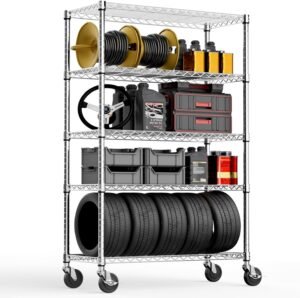
For garage, basement, or pantry overflow — bulk plastic totes, extra lids, and seasonal serving containers — use strong, adjustable shelving that can handle weight and stacked bins.
A reliable example is the M MZG 5-Shelf Storage Shelves, which is designed to handle large stacks and makes overflow items easy to spot and rotate.
8. Use soft or fabric bins for irregular shapes and lids
Fabric bins and baskets are perfect for odd shapes, lids, or multi-part systems (e.g., glass containers with separate seals). They keep items contained while remaining lightweight and washable.
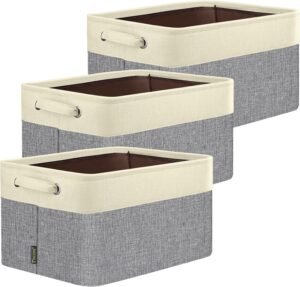
For shelf-based soft storage, the BALEINE 3 Pack Fabric Closet Storage Bins are a good fit for categorizing and containing small container sets or mismatched lids on pantry shelves.
9. Freestanding racks and tiered solutions for pantry organization
Tall, narrow racks use vertical space without taking up deep shelf capacity; they work well for trays, baking pans, and stacks of containers. Place these near work zones for fast access.
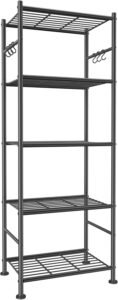
If you need a freestanding rack that fits narrow spaces and supports hooks or hanging accessories, consider the Sakugi 5-Tier Storage Rack for flexible pantry and utility organization.
Quick checklist
- Empty and sort: keep, donate, recycle.
- Pick a standard set of container sizes to keep.
- Store lids separately and vertically.
- Use drawer inserts for small items and lids.
- Label bins and shelf edges clearly.
- Assign zones by frequency: daily, weekly, seasonal.
- Use clear or labeled bins for overflow and fabric bins for odd shapes.
- Inspect and purge every 3–6 months.
Conclusion — a simple, practical takeaway
Start small: pick one cabinet or drawer and implement stacking, a lid drawer, and one labeled bin. Once that area works, apply the same rules across the kitchen. Consistency — consistent container sizes, a lid home, and visible labels — cuts search time and keeps your system working long-term.
FAQ
Q: How do I stop lids from disappearing?
A: Give lids a single, designated location (vertical in a drawer or a shallow bin) and only keep lids for containers you own. Periodic purge prevents an overflow of unmatched lids.
Q: Should I store containers stacked by size or by function?
A: Prioritize frequency: everyday containers should be easiest to reach; within those, stack by nested size to save space. Reserve functional grouping (meal prep, leftovers) for secondary storage if needed.
Q: How do I manage mismatched sets?
A: Keep one matching set for daily use and assign a fabric bin or labeled tote for mismatched pieces for occasional use or donation.
Q: What’s the best place to store glass vs. plastic?
A: Store glass where it’s stable and unlikely to fall (lower shelves or drawers). Plastic can go higher or in open shelving. Keep food-grade lids with their containers, and place fragile items in a protected bin.
Q: How often should I declutter container storage?
A: Every 3–6 months is ideal: check for cracked containers, missing lids, and items you no longer use.
Q: Any tips for small kitchens?
A: Use vertical shelving, a dedicated lid drawer, and fabric bins on top shelves. Consider collapsible containers and a strict one-in-one-out rule to prevent accumulation.
Products Featured in This Article
Sakugi 5-Tier Storage Rack Organize…
Product description Effortless Cleaning The rust-proof and water-resistant material makes maintenance easy—keep it spotless with just…
BALEINE 3 Pack Fabric Closet Storag…
Product description Efficient Home Storage Solutions – Organize Your Space with Ease Add to Cart Add…
M MZG 5-Shelf Storage Shelves,Wire …
From the brand MZG Steel Storage Shelving 3 tier garment rack clothing rack for home MZG…
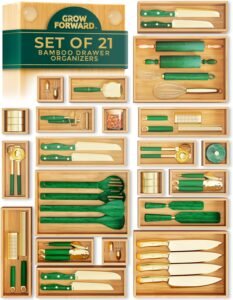
Grow Forward Bamboo Drawer Organize…
From the brand Eco Dinnerware for Adults Eco Dinnerware for Kids [ 21-Piece Set for Creative…