
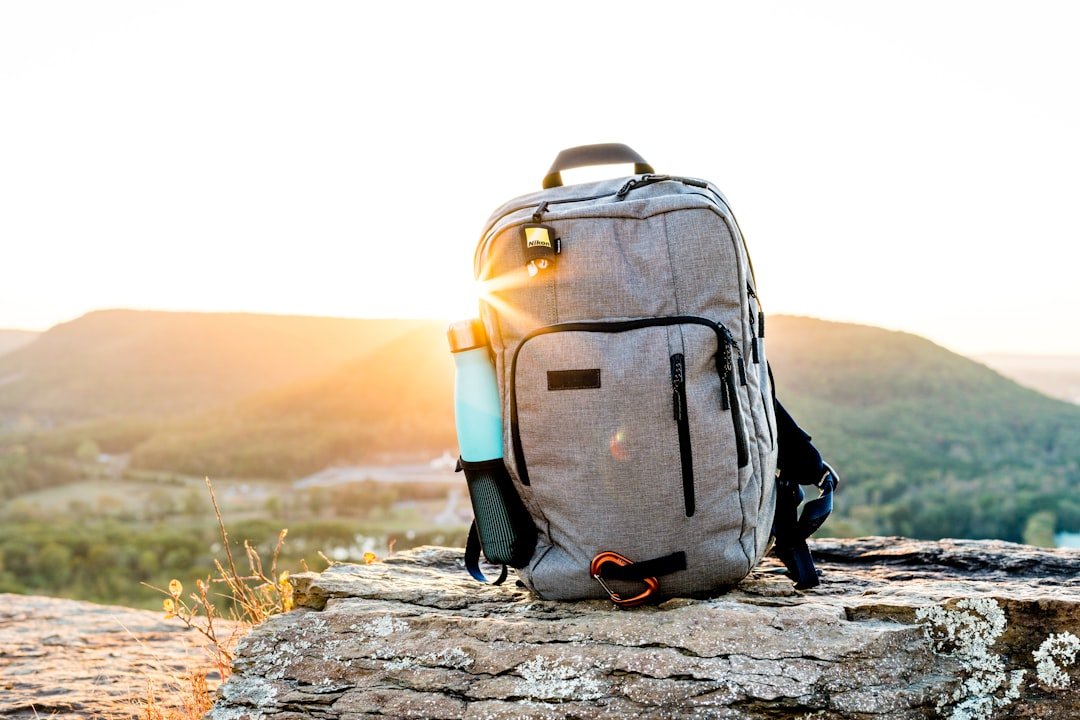
How to Pack a Backpack Properly for Travel
Packing a backpack well is the difference between a smooth trip and constant rummaging. The right setup saves time, protects your gear, and keeps you comfortable whether you’re hiking, flying, or commuting between hostels.
This guide covers practical, step-by-step methods for choosing a bag, organizing gear, balancing weight, and keeping essentials accessible. Follow these tactics and you’ll unpack less and enjoy more.
1. Choose the right backpack for your trip
Start by matching bag size and features to your travel style. For multi-day trips or heavy gear, a purpose-built Travel Backpacks with a padded hip belt and ventilation will make a big difference. For short trips or daily carry, a lighter pack is better. Consider materials (water resistance), access (top vs. panel), and compression straps.
2. Understand airline size and limits
If you’ll fly, check airline carry-on rules before packing. A bag that fits cabin dimensions can save time and checked-bag fees—look at options in the Carry On Travel Bags category for common sizes and features like stowable straps and external pockets that meet overhead bin rules.
3. Use packing cubes and compression tools
Packing cubes and compression bags make organization repeatable and protect garments from shifting. A basic system: one cube for tops, one for bottoms, one for underwear/socks, and a toiletry pouch. Compression cubes reduce bulk for bulky items like sweaters—consider travel-tested options such as BAGSMART Compression Packing Cubes to keep items compact and easy to find.
4. Clothing: roll, bundle, or layer—choose one method
Three efficient techniques:
- Roll for casual clothes—saves space and reduces wrinkles.
- Bundle for dressier outfits—wrap smaller items around a core to minimize creases.
- Layer for quick access—pack daily outfits in separate cubes or sections so you can pull one without unpacking the rest.
Place heavier items nearest your back and centered to keep the pack stable. Pack the bulkiest items at the bottom for day hikes, or centered near shoulder level for upright balance on longer walks.
5. Toiletries, liquids, and organization
Use a waterproof, clearly arranged toiletry bag and keep liquids in a single accessible pouch. Place it near the top or in an external pocket for quick access at security or bathrooms. For tidy storage and compartmentalization, browse Travel Organizers & Packing Cubes to find washable, leak-resistant toiletry pouches and small accessory organizers.
6. Electronics, cables, and valuable items
Designate a padded compartment or a separate sleeve for electronics. A slim laptop sleeve inside a dedicated section reduces pressure on screens. If you carry power banks, chargers, and cables, pack them in a small organizer so they don’t tangle.
For reliable power on long travel days, include a high-capacity option such as the Anker Laptop Power Bank. For frequent laptop users, consider packs tailored to electronics—see the Laptop Backpacks category for designs with dedicated sleeves and cable pass-throughs.
7. Shoes, laundry, and odor control
Shoes are best stored in a separate shoe bag or at the bottom of your pack to keep dirt away from clothes. Use a lightweight shoe bag or double-bag dirty pairs. If you prefer organization-related solutions at home before you travel, Shoe Storage & Organizers offer ideas for pre-trip sorting and seasonal rotation.
For longer trips, bring a small laundry pouch for worn clothes and a compact detergent sheet so you can refresh garments in sinks or laundromats.
8. Daypack and in-transit essentials
Keep a compact daypack for excursions: water, snacks, rain layer, documents, and a light first-aid kit. If you usually carry a daily bag, an Everyday Backpacks can double as your daypack—lightweight, comfortable, and organized with small pockets for essentials.
9. Loading, balance, and final adjustments
Load your pack in layers: heavy items close to your spine, medium items in the middle, and soft/light gear at the edges. Use compression straps to eliminate empty space and prevent shifting. Adjust shoulder straps, sternum strap, and hip belt so the hip belt carries most of the weight—your shoulders should support only a small fraction for comfort.
Quick packing checklist
- Choose bag appropriate for trip and airline rules
- Packing cubes: tops, bottoms, underwear, tech
- Toiletry pouch and liquids in accessible spot
- Electronics in padded sleeve + power bank
- Shoes in shoe bag; laundry in separate pouch
- Daypack with essentials and valuables close
- Adjust straps and compress to eliminate movement
FAQ
How full should I pack my backpack?
Pack the bag to about 80–95% capacity depending on compression. Leave a small amount of space to compress and to access items without overstuffing zippers.
Can I carry liquids in a backpack on a plane?
Yes—follow the 3-1-1 rule for carry-ons (containers 3.4 oz / 100 ml or less, in a clear 1-quart bag). Place the liquid pouch near the top for easy inspection.
What’s the best way to keep my backpack from smelling?
Use washable toiletry pouches, double-bag dirty clothes, air out your pack between uses, and include a small sachet of odor absorbers or baking soda in the laundry bag.
How do I protect fragile items inside a backpack?
Wrap fragile items in clothing inside a protected compartment, pack them near your back where impacts are less likely, and use padded sleeves or hard cases for electronics and lenses.
Is it better to use one big packing cube or several small ones?
Several small cubes give better organization and make it easy to pull one outfit or category without unpacking everything. Use compression cubes for bulky items and small cubes for underwear and accessories.
How do I balance weight for hiking vs. city travel?
For hiking, keep weight low and close to your center; heavy items near your hips. For city travel, balance comfort with accessibility—keep day essentials at the top and heavy items in a middle compartment for upright balance.
Conclusion
Packing a backpack properly is about planning, repetition, and a few smart purchases. Choose the right bag, compartmentalize with cubes, protect electronics and shoes, and load with balance in mind. With a consistent system you can pack faster, find items quickly, and travel lighter.
Products Featured in This Article
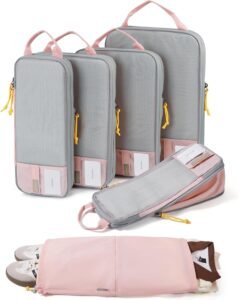
BAGSMART Compression Packing Cubes …
BAGSMART 6 Set/4 Set/2 Set Compression Packing Cubes for Travel, Lightweight Vacation Travel Essentials, Travel Accessories…
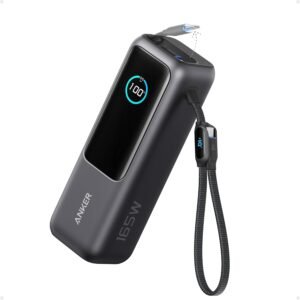
Anker Laptop Power Bank, 25,000mAh …
Product description 1 Features 2 1-Port Charging 3 2-Port Charging 4 3-Port Charging 5 4-Port Charging…