
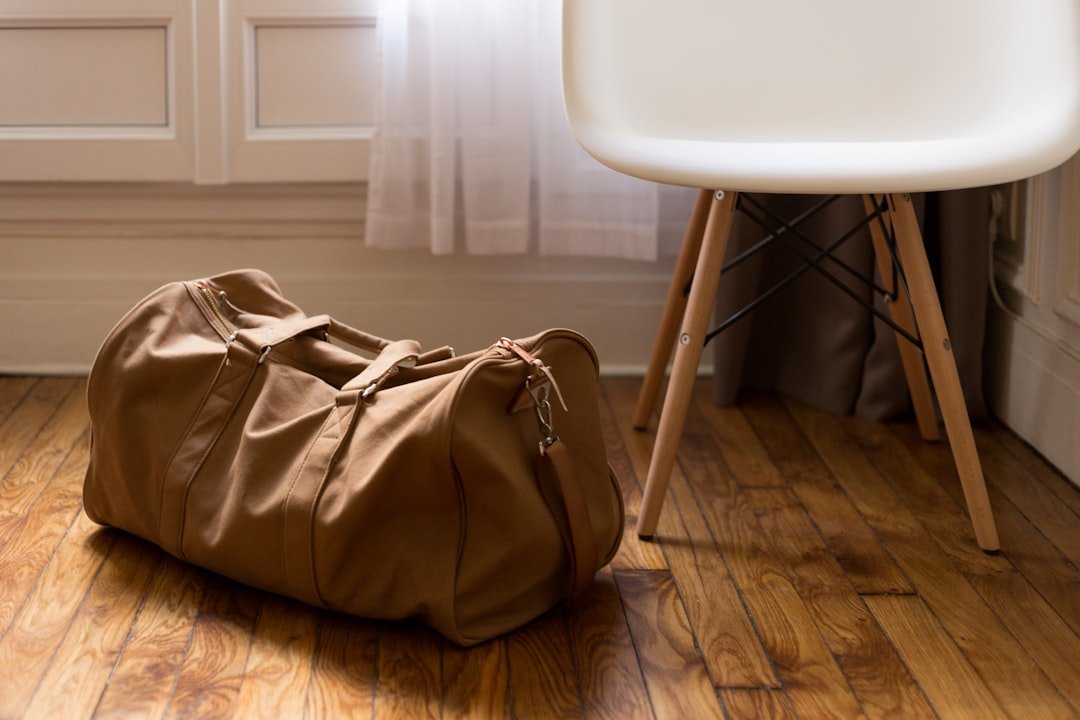
How to Organize Your Travel Bag So Everything Is Easy to Find
Packing doesn’t have to be a guessing game. With a clear system and the right tools, you can open your bag and always know where everything is—no digging, no stress.
This guide walks you through practical steps to organize any travel bag—carry-on, backpack, or checked luggage—so items are grouped logically, protected, and instantly accessible.
1. Start by choosing the right bag
Your organization strategy begins with your bag. A structured bag with dedicated compartments makes it far easier to keep things in place than a soft, shapeless duffel. For frequent travelers prioritize a model designed for travel that balances compartments, weight, and accessibility. If you’re upgrading or replacing gear, browse Travel Backpacks to find options with dedicated pockets for shoes, tech, and quick-access items.
2. Divide by function with packing cubes
Packing cubes transform a chaotic suitcase into a tidy system. Use one cube for tops, one for bottoms, one for underwear and socks, and a small cube for workout clothes or swimwear. Consider a compression cube for bulkier items like sweaters to save space while keeping items separate and folded neatly.
If you prefer to assemble a modular setup, check travel-specific packing solutions to match cube sizes to your bag’s main compartment: Travel Organizers & Packing Cubes.
3. Pack tech and documents in dedicated zones
Keep electronics, chargers, passport, and important documents in the same place every trip. Use a slim laptop sleeve or organizer for cables and chargers so they don’t tangle with clothing. A bag with a padded tech compartment speeds airport security and reduces wear on devices.
If you carry a laptop daily or travel for work, consider options designed specifically for gadgets and cable storage like the selections in Laptop Backpacks.
4. Contain toiletries and liquids for quick access
Toiletries are one of the messiest travel categories. Use a clear toiletry bag or small hanging organizer so you can see contents at a glance and hang it in hotel bathrooms to reduce counter clutter. Place liquids in a single, leak-proof pouch and keep it near the top of your bag for security checks.
If you like compact travel gadgets—like refillable bottles, solid shampoo bars, or leakproof dispensers—browse curated novelty and practical items under Viral Travel Accessories to streamline toiletry packing.
5. Tame small items with drawer-style organizers
Sunglasses, jewelry, pens, spare batteries, and SIM cards are easy to lose. Use small modular bins or drawer-style organizers to create mini compartments inside your bag or at your accommodation. Transparent or mesh organizers help you spot what you need instantly without emptying the bag.
For reusable, compartmentalized trays you can also adapt at home or carry along, check Drawer Organizers.
6. Fold, roll, or bundle—choose the right clothing technique
Different packing methods suit different fabrics and trip lengths. Rolling is great for casual clothing and saves space; folding keeps dress shirts neater; bundling reduces creases for packed outfits. Use a lightweight packing cube with items arranged by outfit to avoid rifling through layers.
Reserve one cube for “dirty” items with a thin laundry bag or a separate wet/dry pouch so you don’t mix clean clothes with used ones during a multi-leg trip.
7. Designate quick-access pockets and day-use gear
Identify one pocket for essentials you’ll need during travel: passport, boarding pass, phone, headphones, and lip balm. Keep a small, always-ready daypack or sling for exploring so you don’t have to repack daily. If you prefer a bag that works both for everyday carry and short trips, explore practical sizes in Everyday Backpacks.
8. Use storage solutions before and after travel
Organizing doesn’t stop at arrival. Have a plan for storing your travel gear at home so it’s ready for the next trip. Use shallow under-bed containers for rolled clothing, a bin for chargers and cables, or a dedicated shelf for packing cubes and toiletry pouches. This reduces the last-minute scramble and helps preserve bag structure.
If you need space-saving options for off-trip storage, consider under-bed solutions: Under Bed Storage keeps luggage and seasonal items tucked away yet accessible.
Small additions that make a big difference
- Label cubes or use color-coded tags for easy identification.
- Carry a slim document folder for receipts, tickets, and itineraries.
- Pack a small roll-up toiletry kit for overnight or carry-on use.
- Keep a spare lightweight tote for dirty shoes or souvenirs.
- Store a compact first-aid kit and a portable battery in a known pocket.
Packing checklist
- Main bag with structured compartments
- 2–4 packing cubes (outfits, underwear, extras)
- Clear toiletry pouch and leakproof liquid bag
- Tech sleeve and cable organizer
- Small drawer/tray organizer for accessories
- Daypack or sling for daily outings
- Under-bed or closet bin for off-trip storage
Conclusion — one simple rule to follow
Group like with like, give each group a consistent home in your bag, and always put the most-used items in the quickest-access pocket. That single rule keeps your bag organized trip after trip.
FAQ
- Q: How many packing cubes do I actually need?
A: For a week-long trip, 3–4 cubes usually cover tops, bottoms, underwear/socks, and a small cube for extras or laundry. - Q: Can I use packing cubes in a soft duffel?
A: Yes—cubes help contain and structure loose items in any bag, making soft duffels much easier to manage. - Q: Where should I put liquids for security checks?
A: Keep all liquids in one clear, leakproof pouch near the top of your carry-on so it’s easy to remove for screening. - Q: How do I keep chargers and small electronics from tangling?
A: Use a small tech organizer or a multi-pocket pouch with elastic bands to secure cables and adapters in one place. - Q: Any tips for keeping shoes separate?
A: Pack shoes in their own compartment or a shoe bag, and place them along the bag’s edges to protect clothes from dirt and maintain structure.