
Introduction
Decluttering is more than tidying up — it’s creating a home that supports how you live. A room-by-room approach breaks the job into manageable steps so progress is visible and sustainable.
This guide gives practical, actionable strategies for every major space in your home, plus product-focused solutions to help you organize and maintain order.
1. Plan your decluttering strategy
Before you touch a single item, set realistic goals: choose target rooms, set a timeframe (one weekend per room or 15–30 minute daily sessions), and decide how you’ll handle four piles — keep, donate/sell, recycle, trash. Gather supplies: boxes, trash bags, labels, and a timer.
Work top to bottom and left to right in each room so you don’t re-mess areas you’ve already finished. Measure common storage areas (closets, shelving, under-bed clearance) so you can buy organizers that actually fit.
2. Entryway & mudroom: capture clutter at the door
The entryway is the transition zone — shoes, bags, mail, keys. Start by removing everything and keep only daily-use items in this area. Add zones for shoes, outerwear, and quick items like keys and masks.
Invest in targeted solutions like wall hooks, benches with cubbies, or a dedicated shoe system to prevent pileups. For compact homes, consider a dedicated Shoe Storage & Organizers to keep footwear sorted and off the floor.
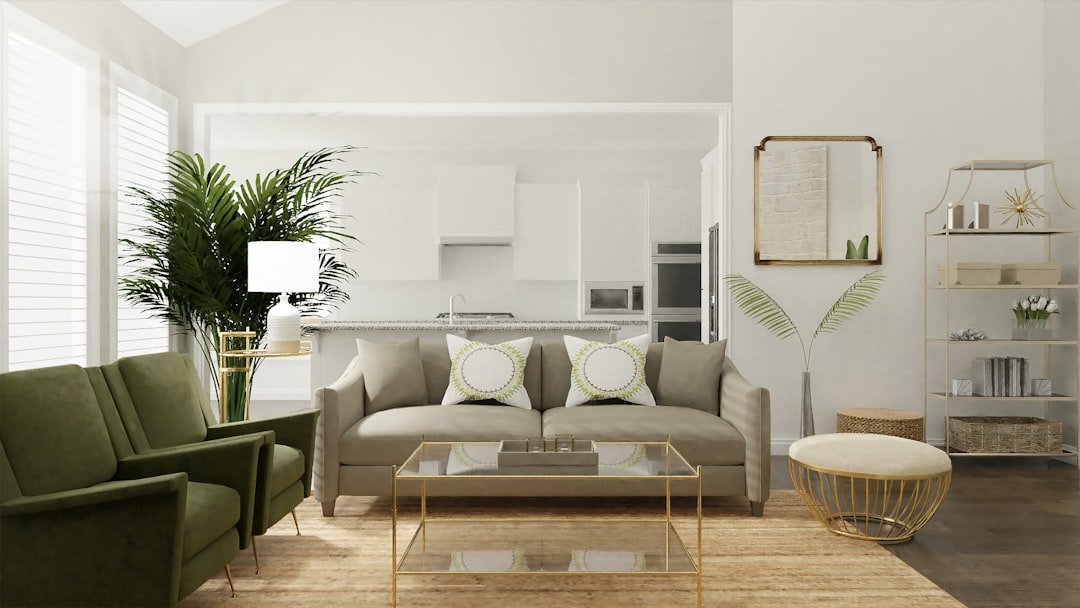
3. Living room: surface control and smart storage
Living rooms accumulate the most varied items — remotes, chargers, blankets, kids’ toys, and mail. Clear surfaces first: remove everything from the coffee table, sofa arms, and shelves, then only return items that belong.
Use multi-purpose furniture (storage ottomans, media consoles with doors) and uniform containers for visual calm. Stackable boxes and breathable bins make it easy to rotate items seasonally; shop matching Storage Bins & Baskets for a cohesive look and functionality.
4. Kitchen: purge, sort, and zone
Start by clearing countertops and emptying one cabinet or drawer at a time. Toss expired food, duplicate tools, and single-use gadgets you never reach for. Keep counters limited to daily essentials; store specialty tools in cabinets.
Group items by function: prep, baking, beverages, lunch-packing. Use clear containers for pantry staples and dedicated caddies for cleaning supplies. If you want quick wins, try compact gadgets and organizers designed for kitchen flow — browse Viral Kitchen Gadgets for popular, space-saving options that streamline tasks.
5. Bedroom: clothes, surfaces, and under-bed solutions
When decluttering your bedroom, focus on the wardrobe first. Use the hanger test: move unworn items to a donate pile. Store seasonal clothes elsewhere to free up daily-access space.
Maximize unused real estate under the bed with low-profile containers that keep linens and off-season clothes accessible and dust-free. If under-bed storage fits your layout, choose durable, breathable options like Under Bed Storage to reclaim closet space and reduce visual clutter.
6. Closet & drawers: sorting systems that stick
Closets and drawers are winning spaces when organized by category and frequency of use. Empty the space, sort items into clear groups, and keep only what you use and love.
Drawer dividers and tray systems prevent the “everything-mixed” problem in socks, underwear, and accessories. For kitchens and bathrooms, modular inserts keep small items accessible and tidy — consider investing in quality Drawer Organizers to transform chaotic drawers into streamlined storage.
7. Home office: declutter for focus
A cluttered desk sabotages productivity. Clear the desktop to essentials: monitor, keyboard, a notepad, and a small pen holder. Paper is the biggest culprit — go digital where possible, and use a simple in/out tray system for active documents.
Designate a drawer or shelf for reference materials and archive older files. Desktop caddies, cable organizers, and vertical file holders make workflows smoother. For compact, effective desk solutions, look at durable Desk & Office Organizers that minimize desktop clutter and keep supplies reachable.
8. Laundry & bathroom: functional flows and product storage
Bathrooms and laundry rooms need explicit flows: dirty → wash → dry → fold → put away. Keep daily toiletries to a minimum on countertops; store extras in labeled bins or cabinets.
Use stackable hampers, wall hooks, and shelf baskets to prevent clothes from spreading. Small items like pods, stain treatments, and travel kits should have a single home. Simplify with dedicated Laundry Storage & Organizers to keep supplies orderly and accessible.
9. Garage, basement & overflow: heavy-duty shelving and staging
These spaces often become long-term dumping grounds. Declutter by category: tools, sports gear, seasonal decor. Create staging areas and test favorite items: if unused for a season, consider letting them go.
Invest in strong, adjustable shelving and labeled bins to make items visible and retrievable. For bulky items and long-term storage, heavy-duty Shelving & Storage Racks provide structure and keep floors clear.
Quick checklist
- Set a timeline: room-per-weekend or daily 20–30 minute sessions.
- Sort into keep, donate/sell, recycle, trash.
- Measure spaces before buying organizers.
- Use consistent containers for visual order.
- Label everything and assign a “home” to items.
- Schedule monthly 15-minute maintenance checks.
FAQ
Q: Where should I start when the whole house is overwhelming?
A: Start with a high-impact zone like the entryway or kitchen — visible improvement motivates continued effort.
Q: How do I decide what to keep?
A: Keep items you use regularly, need, or that hold significant value. If you haven’t used something in 12 months and it has no seasonal purpose, it’s likely safe to donate or sell.
Q: What are good storage options for small spaces?
A: Vertical shelving, under-bed boxes, and multi-purpose furniture maximize small footprints. Choose stackable, clear, or labeled bins to maintain visibility.
Q: How do I stop clutter from coming back?
A: Implement one-in-one-out rules for discretionary items, and do short weekly sweeps to return stray items to their homes.
Q: How often should I declutter?
A: Major decluttering twice a year (spring and fall) with monthly maintenance sessions keeps clutter from accumulating.
Conclusion — practical takeaway
Tackle decluttering one room at a time, create durable storage systems, and commit to short, regular maintenance. Small, consistent actions plus the right organizers will transform your home from overcrowded to calm.